
Brittany Greenfield
August 7, 2025
Beyond Automation: What True AppSec Orchestration Means in 2025
In the ever-evolving world of software security, “automation” has become a buzzword synonymous with efficiency, speed, and scalability. But in 2025, automation alone isn’t enough. As software delivery becomes faster and more complex, what organizations truly need is orchestration — not just to move faster, but to move smarter.
Automation vs. Orchestration: What’s the Difference?
Automation refers to the execution of individual, repeatable tasks without human intervention. In AppSec, that might look like automatically triggering a scan when code is committed, or sending an alert when a vulnerability is detected. It’s essential for scaling operations — but it only handles pieces of the puzzle.
Orchestration, on the other hand, is about how those pieces work together. It’s the strategic coordination of automated tasks, tools, and teams to achieve a cohesive, risk-aligned security posture across the software development lifecycle (SDLC). Orchestration doesn’t just execute — it connects, prioritizes, and adapts.
In short:
🔹 Automation answers “what.”
🔹 Orchestration answers “why, when, and how.”
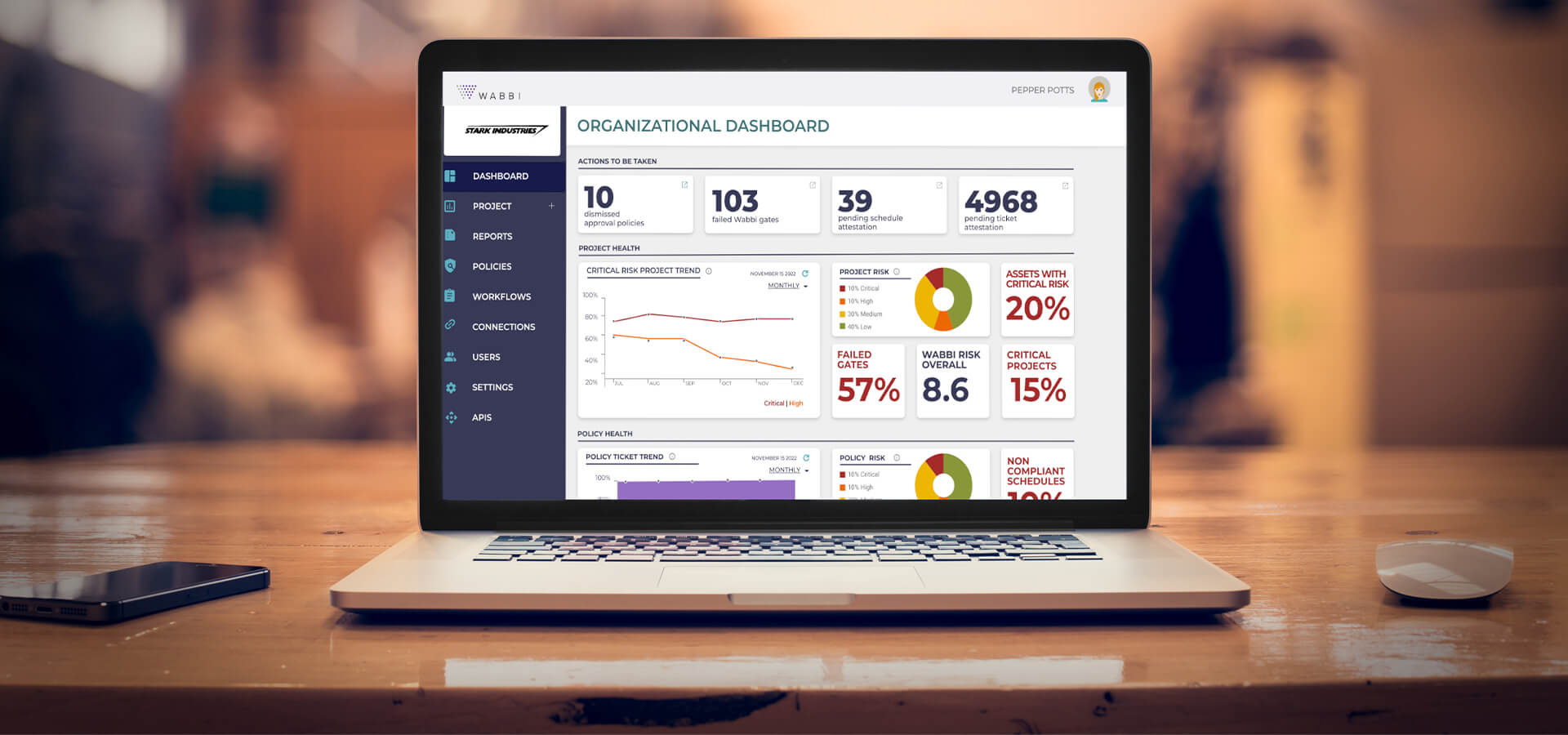
The Benefits of AppSec Orchestration in 2025
Orchestration brings a new level of maturity to AppSec programs by coordinating across four core pillars:
1. Policy Enforcement
Security policies can’t live in static documents anymore. Orchestration enables these policies to be embedded directly into CI/CD workflows, dynamically enforced based on context like application type, data sensitivity, and risk level.
2. Risk Prioritization
With tool sprawl and thousands of alerts, not every vulnerability is created equal. Orchestration unifies data from scanners, code repositories, and production environments to determine which issues need attention — and which can wait. It’s how security becomes business-aware.
3. Feedback Loops
Developers need real-time, actionable feedback that doesn’t slow them down. Orchestration ensures security signals are delivered in the right place — like an IDE or ticketing system — and in the right format, without overwhelming teams with noise.
4. Remediation Coordination
Orchestration doesn’t stop at finding flaws — it ensures they get fixed. This includes assigning ownership, aligning fixes with sprint cycles, and verifying remediation. It’s not just about catching risk, but actually closing it out.

Real-World Orchestration Use Cases
AppSec orchestration isn’t theoretical — it’s already changing how modern teams work. Examples include:
- Conditional policy enforcement: Blocking deployments only when high-severity vulnerabilities are found in production-tier applications.
- Context-aware risk scoring: Elevating the priority of vulnerabilities affecting payment workflows vs. low-impact admin dashboards.
- Dynamic reporting for compliance: Automatically generating audit-ready reports based on application risk profiles and current remediation status.
- Developer-friendly remediation: Converting vulnerabilities into Jira tickets, assigned to the right dev teams with relevant code snippets and fix suggestions.
These aren’t isolated wins — they represent the shift toward making security truly operational across organizations.
AppSec Orchestration 2.0: What’s Next?
As we look ahead, orchestration is set to evolve even further in 2025 and beyond:
AI-Driven Decisioning
Artificial intelligence will take orchestration from reactive to predictive. Expect systems that suggest remediation timelines based on historical patterns, flag potential exploitability using ML models, and auto-adjust policy thresholds as threat landscapes evolve.
Cross-Team Collaboration
Orchestration will no longer be siloed within AppSec. It will connect developers, security engineers, product owners, and compliance teams through shared workflows and integrated insights — all speaking the same risk-based language.
Adaptive Security Posture
Rather than rigid policies, orchestration will support dynamic frameworks that adjust based on real-time inputs — such as new business priorities, emerging threats, or shifts in application architecture.
Conclusion
In 2025, AppSec orchestration is not just a competitive advantage — it’s a strategic imperative. While automation gets tasks done, orchestration ensures the right things get done, by the right people, at the right time. It’s how security becomes an enabler of innovation instead of an afterthought.
For organizations looking to scale securely and sustainably, now is the time to move beyond automation — and embrace the orchestration era.