
Team Wabbi
March 8, 2024
Unlocking the Power of Risk Management: A Comparison to Your Trusted Fitness Tracker
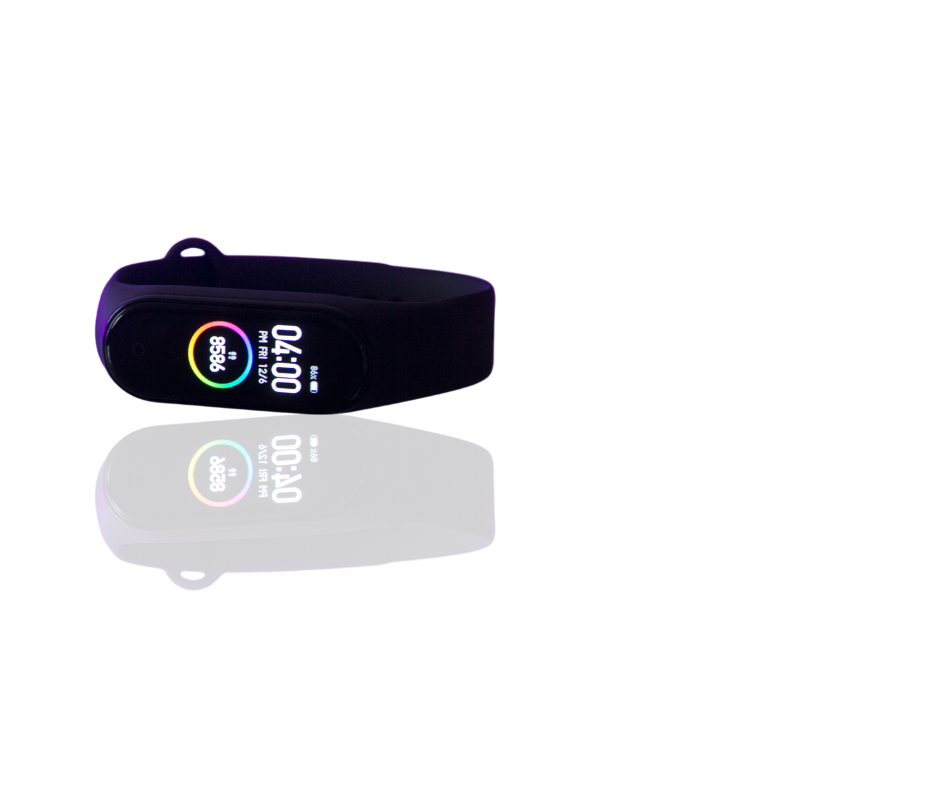
In the realm of cybersecurity and application security (AppSec), the importance of risk management cannot be overstated. It serves as a crucial framework for identifying, assessing, and mitigating potential threats and vulnerabilities to protect sensitive data and critical systems. Interestingly, the principles of risk management bear a striking resemblance to the functionalities of a fitness tracker. Let’s explore how risk management mirrors the features of your favorite fitness monitoring device.
1. Continuous Monitoring:
Much like how a fitness tracker continuously monitors your physical activity, risk management in cybersecurity involves ongoing surveillance of your digital environment. It keeps a vigilant eye on network traffic, system logs, and user behavior to detect any anomalies or potential security breaches.
2. Risk Assessment:
Similar to how a fitness tracker assesses your heart rate, steps taken, and calories burned, risk management evaluates various factors such as the likelihood and potential impact of security incidents. By quantifying risks, organizations can prioritize their security efforts effectively, just as you prioritize your workouts based on fitness goals.
3. Goal Setting and Progress Tracking:
Just as you set fitness goals and track your progress with a fitness tracker, risk management involves setting security objectives and measuring progress towards achieving them. Whether it’s reducing the number of high-risk vulnerabilities or enhancing incident response capabilities, tracking performance metrics is key to driving continuous improvement.
4. Real-time Alerts and Notifications:
Similar to how your fitness tracker alerts you when you’ve been inactive for too long or your heart rate spikes, risk management systems provide real-time alerts and notifications for potential security threats. These proactive warnings enable prompt action to mitigate risks before they escalate into full-blown security incidents.

5. Personalized Insights and Recommendations:
Much like how a fitness tracker provides personalized insights and recommendations based on your activity levels and health metrics, risk management solutions offer tailored recommendations for improving security posture. Whether it’s implementing additional security controls or conducting employee training, these insights empower organizations to make informed decisions to strengthen their security defenses.
6. Data Visualization and Reporting:
Just as your fitness tracker presents your activity data in easy-to-understand charts and graphs, risk management tools offer data visualization capabilities to help stakeholders grasp the current state of cybersecurity affairs. Clear and concise reporting enables effective communication of risks and facilitates informed decision-making at all levels of the organization.
In conclusion, the parallels between risk management in cybersecurity and your trusty fitness tracker highlight the importance of vigilance, assessment, goal-setting, and continuous improvement in both domains. By embracing the principles of risk management and leveraging modern technologies, organizations can safeguard their digital assets and embark on a journey towards cyber fitness and resilience.
Related Articles

Security That Doesn’t Get in the Way: Why Dev Experience is the Real Key to DevSecOps
Security That Doesn’t Get in the Way: Why Dev Experience is the Real Key to DevSecOps We say we want to “shift left.” We say we want secure code from the start. But too often, security tools and processes still expect developers to leave their workflows, learn new...

AI is Solving the Puzzle. Are You Missing the Corner Pieces?
AI is Solving the Puzzle. Are You Missing the Corner Pieces? The game has changed—and it’s moving faster than ever. Artificial intelligence is no longer just a tool for innovation. It’s now a powerful asset in the hands of attackers, helping them scan, test, and...

Security That Works How Developers Work: Why Dev-Centric Design is Non-Negotiable
Security That Works How Developers Work: Why Dev-Centric Design is Non-Negotiable For years, application security has been treated as a destination—something developers "hand off" for validation at the end of the build process. But in a world of continuous...

Secure by Design: Embedding Risk-Based AppSec in Every Sprint
Secure by Design: Embedding Risk-Based AppSec in Every Sprint In the high-speed development world, embedding security into the software development lifecycle (SDLC) is no longer optional—it’s foundational. But as teams work to shift left and integrate security...

Wabbi Named Winner of Two Coveted Global InfoSec Awards During RSA Conference 2022
Wabbi Selected Publishers Choice for Software Development Lifecycle Security Founder and CEO Brittany Greenfield named A Top Woman in Cybersecurity Boston, MA, and San Francisco, CA – June 6, 2022 – Wabbi, the leading continuous security platform, today...

The Great Disconnect: Wabbi Publishes Annual Continuous Security Report 
Continuous Security is a Catalyst for Automated Collaboration and Has Decreased Vulnerabilities by 50% BOSTON, March 24, 2022 /PRNewswire/ -- Wabbi, the leading continuous security platform, today published new research with IDG that finds companies utilizing...