
Team Wabbi
July 31, 2025
From Tool Overload to Targeted Orchestration: How to Simplify Your AppSec Stack
As organizations race to secure increasingly complex software environments, many have responded by piling on more tools—scanners, dashboards, policy engines, ticketing systems, and more. The result? An AppSec stack that’s bloated, fragmented, and difficult to manage.
While every tool may serve a purpose in isolation, the cumulative effect is often overwhelming: duplicated alerts, inconsistent data, siloed insights, and overworked teams trying to make sense of it all.
The Risks of Having 10+ Scanners
On the surface, more scanners might seem like a good thing—more coverage, more visibility, more protection. But in practice, it introduces a host of challenges:
- Alert fatigue: Security teams are flooded with vulnerabilities from multiple sources, many of which are duplicates or irrelevant.
- Context confusion: When tools don’t talk to each other, it’s hard to understand which vulnerabilities actually matter.
- Slower remediation: Developers are forced to sort through redundant or conflicting findings, delaying fixes.
- Increased overhead: Managing, updating, and maintaining a sprawling toolset drains resources that could be better spent elsewhere.
Too many tools can actually reduce overall security posture by creating noise and hiding the signal.
Integrating vs. Consolidating Tools Strategically
The answer isn’t always to rip and replace—it’s to integrate smartly. Organizations should start by mapping their current tooling to specific phases of the software development lifecycle (SDLC). Which scanners are providing value during development? Which are critical during deployment? Which are duplicative?
Strategic integration ensures tools are used where they’re most effective, and that their outputs are aligned to a common language of risk.
This doesn’t necessarily mean fewer tools—but it does mean fewer surprises, and better collaboration across development, security, and operations teams.
Moving Toward Targeted Orchestration
Simplifying your AppSec stack means more than just integrating tools. It requires orchestration—the ability to:
- Centralize vulnerability data across tools
- Apply consistent risk prioritization logic
- Automate policy enforcement based on real-time data
- Deliver relevant insights to the right teams at the right time
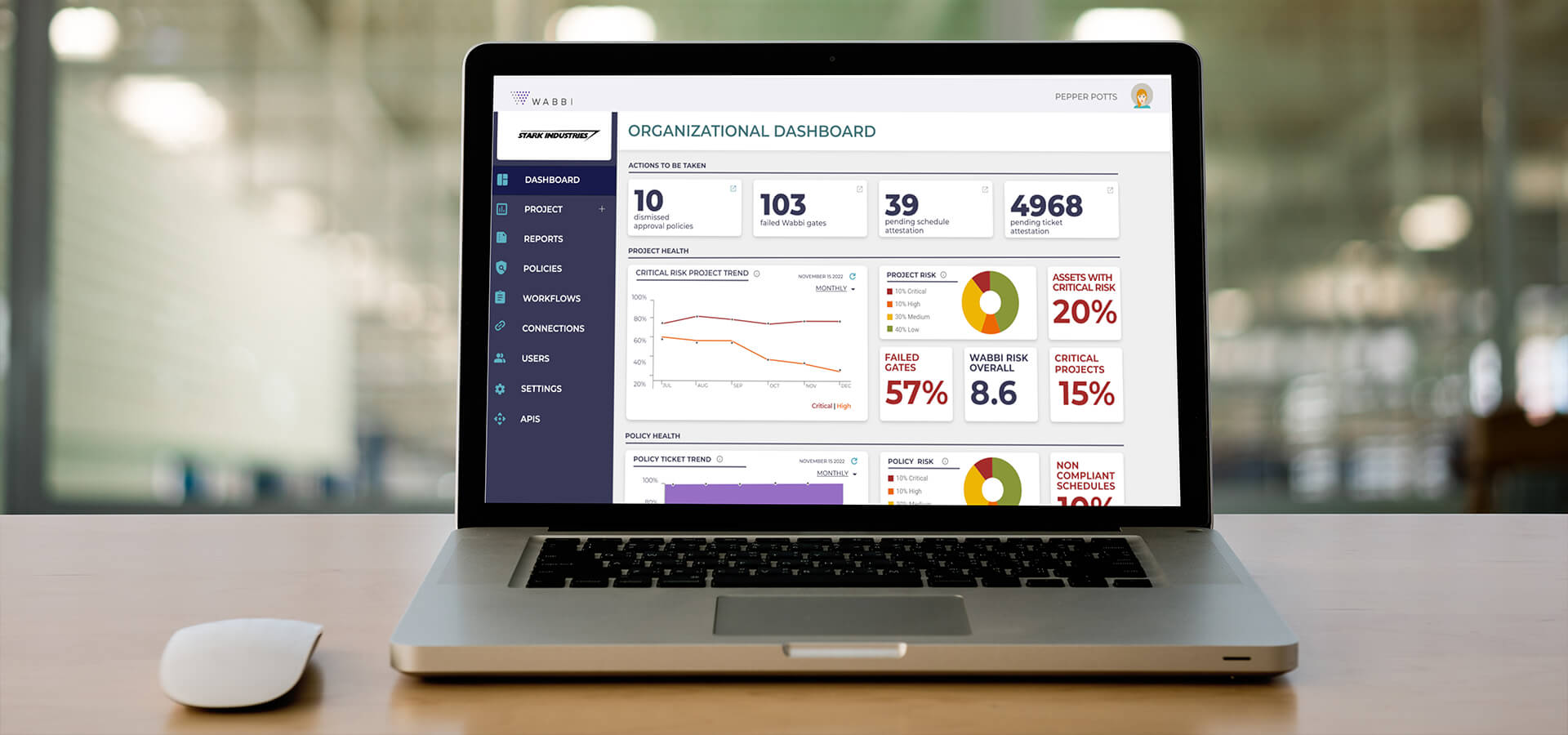
Instead of manually reconciling scanner outputs and chasing status updates, orchestration allows teams to work from a unified view of application security risk, embedded into their daily workflows.

KPIs That Prove Smarter Tooling Works
How do you know if you’ve simplified successfully? The proof is in the metrics. Key performance indicators that show orchestration is working include:
- Mean time to remediation (MTTR): A faster MTTR indicates that teams are seeing, understanding, and fixing issues more efficiently.
- Reduction in duplicate tickets: Fewer redundant alerts mean better prioritization and less developer frustration.
- Policy compliance rates: When tooling aligns with policy, compliance becomes a natural outcome of the development process.
- Tool utilization rates: High usage across the stack (rather than isolated spikes) shows tools are integrated and useful.
Conclusion
The answer to today’s AppSec complexity isn’t just more tools—it’s smarter tooling. By reducing duplication, centralizing insights, and aligning tools to workflows, organizations can streamline their AppSec efforts and achieve better security outcomes with less effort.
Simplification isn’t just a goal—it’s a strategy for scaling secure development.